Aging in Place: How Support at Home Is Organized
Surveys of older adults consistently find that most would prefer to stay in their own home as they age. Aging in place is the term used for that preference and for the mix of services built around it.

What the term describes
The Administration for Community Living describes home and community-based services, or HCBS, as long-term services and supports delivered in a person's home or community rather than in an institution. The category includes personal care, homemaker help, adult day services, respite for family caregivers, transportation, and home modifications.
Aging in place generally refers to remaining in one's own home while drawing on some combination of those services, family help, and technology as needs change over time.
The kinds of help households arrange
Support at home sits on a spectrum. At one end is occasional help with heavy housekeeping or yard work. Further along are regular visits for bathing, dressing, meals, and reminders. At the other end is round-the-clock coverage.
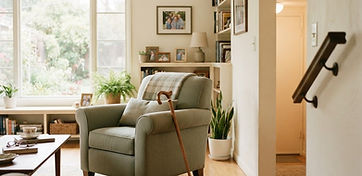
Alongside people, households often add physical changes — grab bars, ramps, better lighting, a shower seat — and technology such as medical alert systems, medication reminders, and video calls with family.
How it is funded in Pennsylvania
Funding routes in Pennsylvania include private pay, long-term care insurance, Medicaid waiver programs administered by the Department of Human Services, and the OPTIONS program run through local Area Agencies on Aging for adults 60 and older who need help with daily activities.
Each route has its own eligibility rules, and final determinations are made by the administering agency rather than by a care provider. The Department of Aging and the Area Agencies on Aging publish the current rules.
Questions families tend to research
Common starting points are how to check a provider's standing with the state, how agencies structure cost (hourly, live-in, or by task), what a backup plan looks like when a caregiver is unavailable, and what happens at night or in an emergency.
The sources below are the public starting points most often cited for those questions.
Where this comes from
- Administration for Community Living
- Pennsylvania Department of Aging
- Pennsylvania Department of Human Services
Companion America does not control these sites. This explainer summarizes what they publish; the originals are the authority.
Have a question about care at home?
Talk with our team